

Explain what you do
A clear structure presents services, strengths and essential answers without making visitors guess where to begin.
Web experiences with purpose
At Xamadia, we bring content, design and development together so people understand your offer and find a clear next step. Scope can range from a focused corporate site to a portal connected to your operations.
Business value
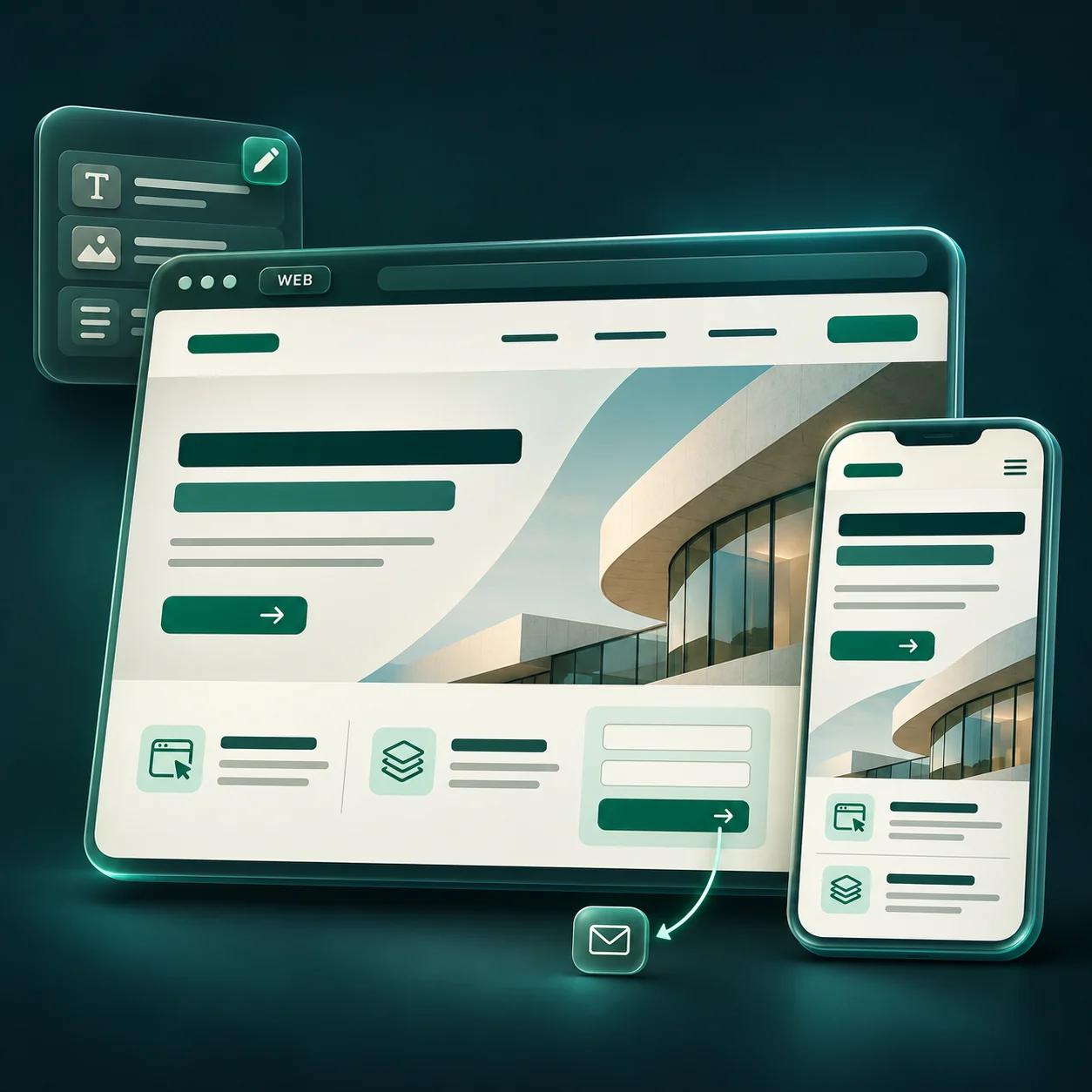
A useful web experience brings communication, utility and a clear route to action together. What to build depends on who visits and what your business needs to solve.
A clear structure presents services, strengths and essential answers without making visitors guess where to begin.
Current information, a coherent identity and a considered experience make a business easier to assess and remember.
The next step might be a message, booking, quote request or form. We place it where it makes sense in the visitor’s journey.
A website can organize information, feed sales tools and support content, campaigns or internal processes.
What we can build
Businesses need different scopes. We choose structure and features based on the audience, content and operations behind the experience.
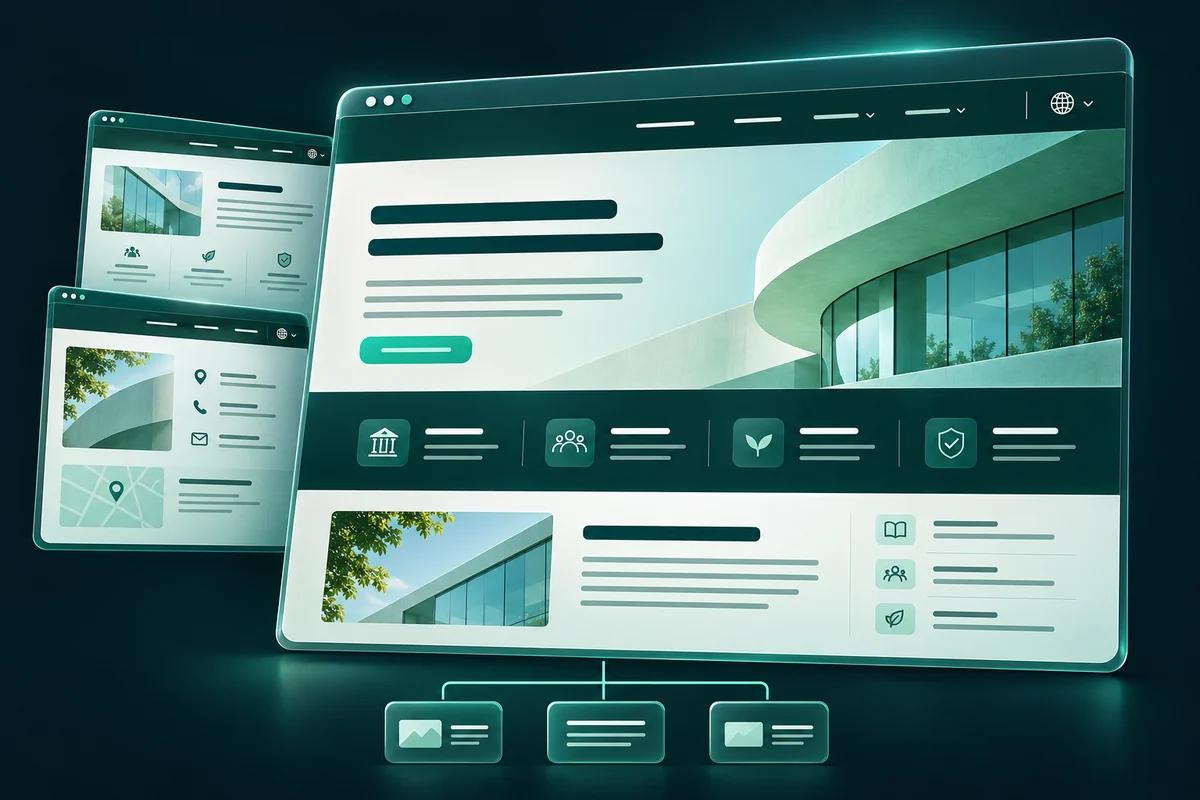
An organized presence for explaining the organization, capabilities, industries, people and contact options. It can support multiple languages and editorial management.
When you need to communicate a complex offer clearly.
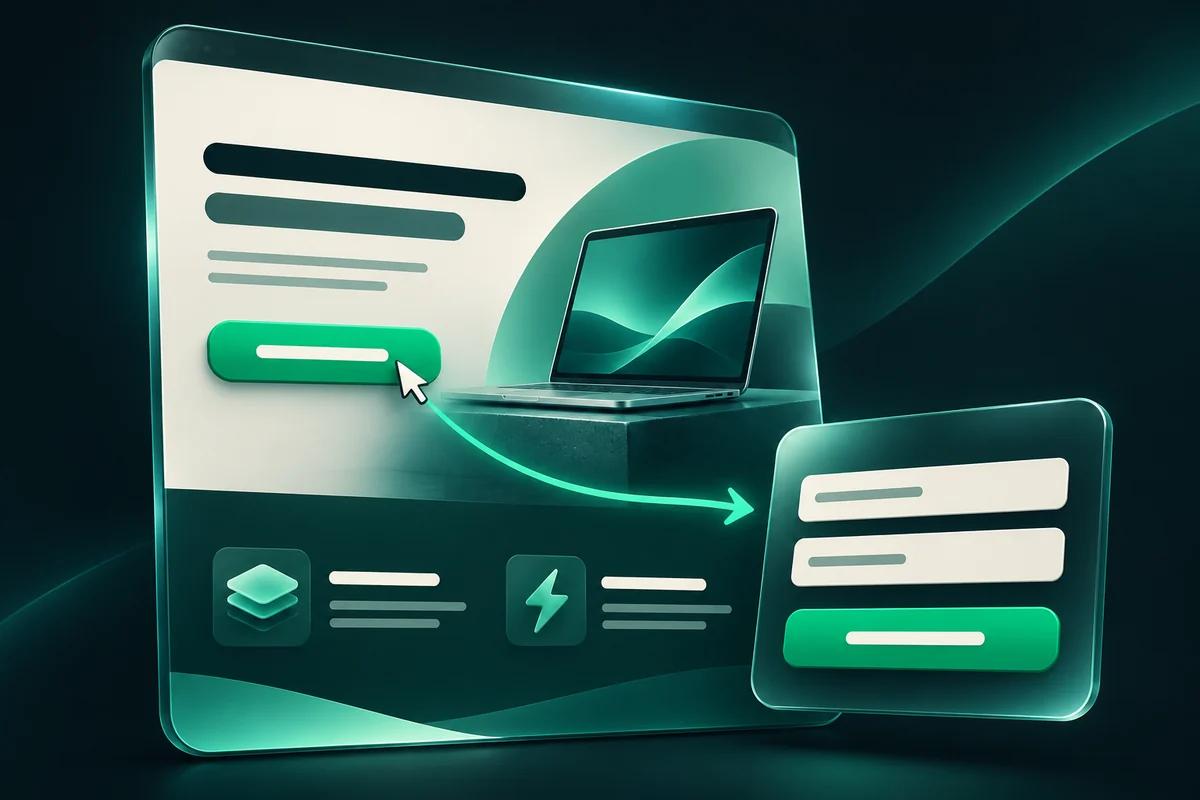
A focused journey around one offer, campaign or service, with useful arguments, relevant evidence and one easy-to-find action.
When an initiative needs a specific inquiry or request.
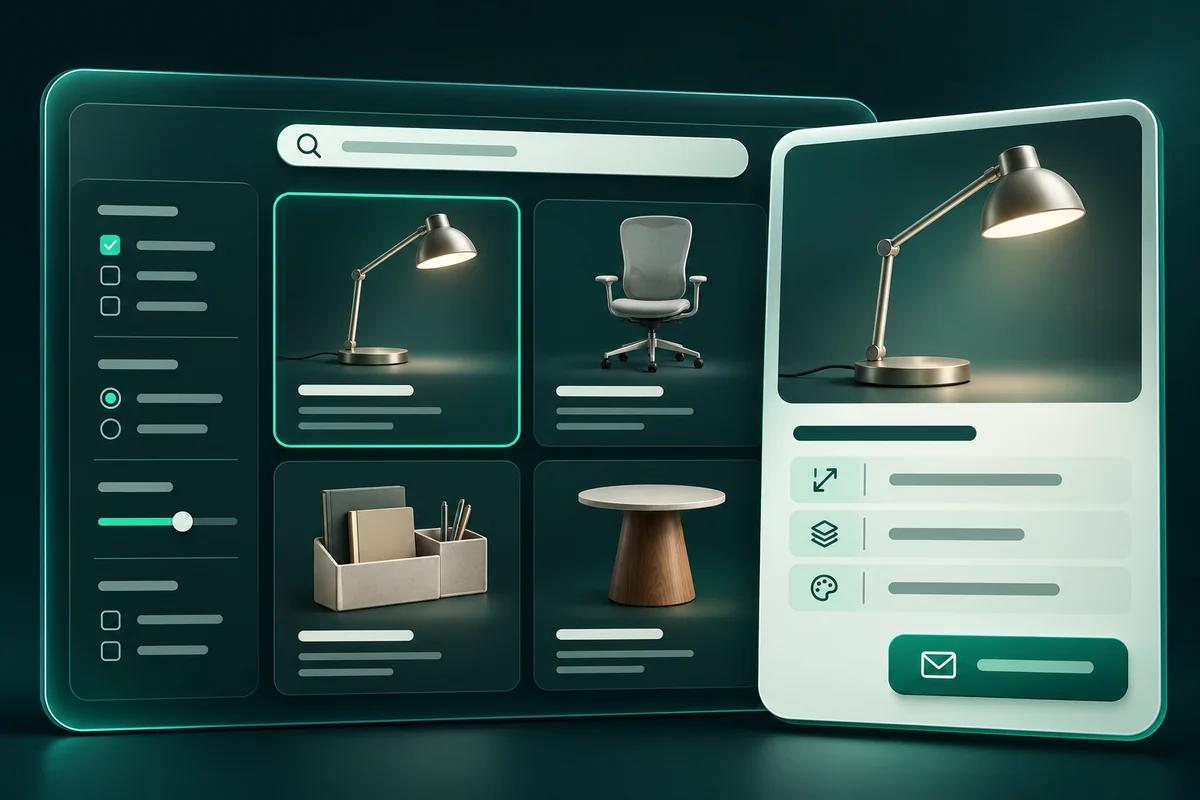
Browsable content for exploring options, comparing details and requesting information. The structure can grow without becoming difficult to navigate.
When your offer no longer fits on one general page.
User-specific flows, access or content, with connections to CRM, inventory, bookings or other tools when there is a validated need.
When the website supports business processes as well as communication.
We examine what works, what confuses users and what constrains the current site. Then we prioritize structure, content, interface and technical improvements.
When your current site no longer reflects your offer or real usage.
Conceptual layouts of possible formats; each project is designed to its own scope.
What makes a website valuable
A strong experience combines content, design and implementation decisions. Their priority depends on the project’s goal and context.
Understanding and action
Design starts with what each visitor needs to find and decide.
We group and name content so important services, products and answers are easy to find.
We design readable journeys and useful controls for desktop, tablet and mobile. The interface should support the task.
We place inquiries, requests and bookings where visitors have enough context to act, without filling every page with buttons.
Semantics, contrast, keyboard access and clear content let more people use the site and improve the overall quality of the experience.
Visibility and learning
Publishing is the beginning of a presence that must remain clear and observable.

Metadata, semantic hierarchy, internal links, speed and indexability give search engines a sound basis to understand and crawl the site. They do not guarantee rankings.
Well-structured information, coherent entities and precise answers help modern search and answer experiences interpret content; inclusion is never guaranteed.
We identify meaningful actions — inquiries, forms, clicks or journeys — and how to observe them with appropriate privacy and consent.
A suitable editorial system lets teams update frequently changing information without requesting a code change for every edit.
Operations and evolution
The technical foundation matters when the business changes or the experience grows.

Optimizing resources and choosing a proportionate architecture reduces waiting and supports smooth use across connections and devices.
Forms, WhatsApp, CRM, bookings or other systems connect when they improve a concrete workflow and the platforms allow it.
A maintainable structure makes it easier to add content, languages or features without rebuilding the entire experience.
Real usage and business priorities guide later changes to content, navigation, performance and functionality.
Real work
See how web design and development adapt to different goals and ways of working.
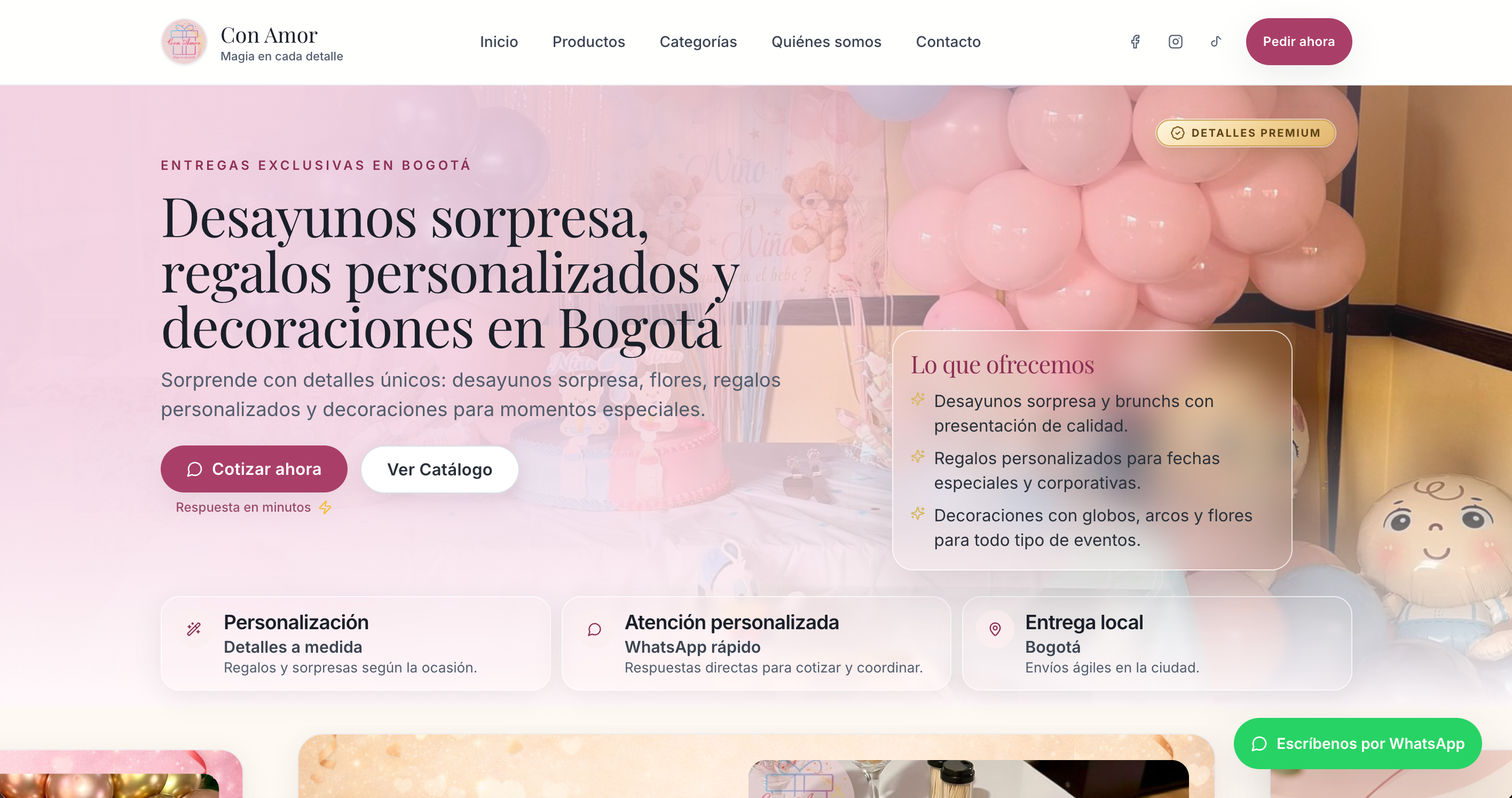
Need: make gifts and surprises easy to explore.
We built a digital catalog with easy-to-browse categories, product pages and a direct route to WhatsApp. Its structure helps visitors explore the offer and start an order conversation.
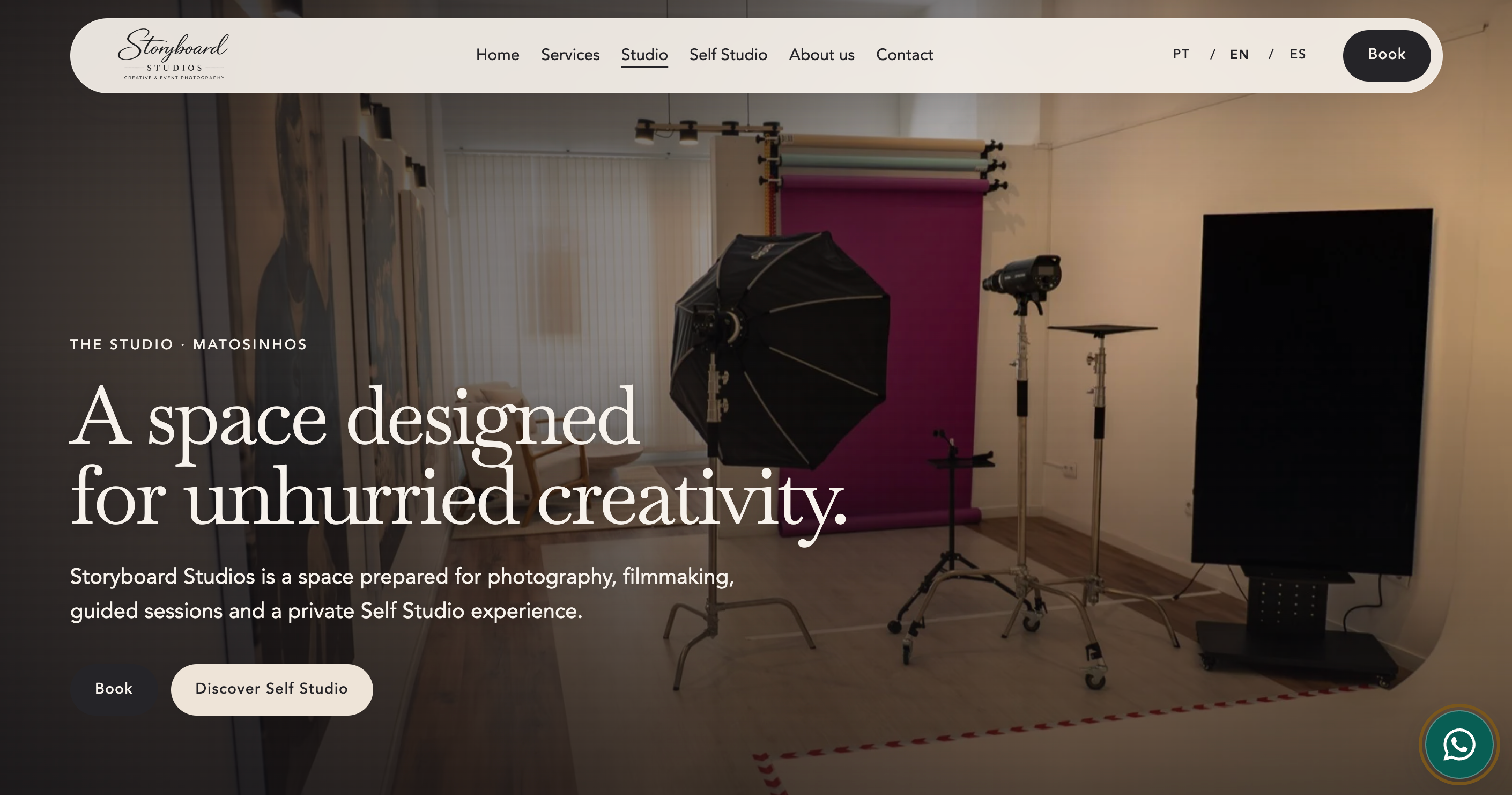
Need: present photography and video with a distinct visual voice.
We built an editorial experience that gives prominence to services and visual work. Multilingual navigation and access to session requests support different audiences.
How we work
We start with the business and its users, then align content, design and technology so each decision has a clear purpose. The stages adapt to the agreed scope.
We discuss the business, audiences, goals, available content, current site and related tools.
We agree on pages, journeys, features, integrations, priorities and editorial responsibilities before designing the solution.
We work through information hierarchy and interface design, checking whether the journey explains the offer and supports intended actions.
We build the experience, connect agreed content and services, and check behavior, accessibility and performance.
We prepare production release and, within the agreed scope, review usage to prioritize refinements and future phases.
Where to start
We can help define the project; you do not need a finalized technology list to start.
A corporate site may fit, with clear messages, organized services and content your team can maintain.
It helps to review the offer, journey and response channels before choosing a landing page, forms, WhatsApp or bookings.
A portal or connected experience can support specific processes. First we validate users, rules and existing systems.
We assess content, navigation, performance and key actions to prioritize improvements with concrete goals.
Frequently asked questions
It depends on the number and complexity of pages, content and design work, languages, editorial controls and integrations. We first define the need and scope so a proposal reflects actual work rather than a generic package price.
Scope, content readiness, review cycles and third-party dependencies all matter. An informational site and a portal with workflows and integrations require different processes. We agree on stages and deliverables before setting a schedule.
Yes. We can prioritize a useful first version and plan further functions or content for later, provided the initial structure supports that evolution. Priorities follow the project’s goals and resources.
We can design a content management system for information that changes often. The degree of independence depends on the scope and which elements should be editable.
We can build a technical and editorial foundation: structure, metadata, useful content, internal links and indexability. We also organize information for newer search experiences. No implementation guarantees rankings or inclusion in answers.
Yes, when the platforms provide suitable integration options and permissions. We assess feasibility, data flow and dependencies before including a connection in scope.
Discuss your project
Tell us what visitors need to understand, do or find on your site. At Xamadia, we connect that need with content, design and technology to propose a sensible scope.